Welcome to a deep dive into the art and science of roof tiles that changed an industry. I’m Alex Turner, a hands-on contractor with years spent at the sharp edge of construction sites, where roofs either breathe easy or creak under pressure. This article blends my field stories, client wins, practical know-how, and a dash of honest advice. If you’re weighing tile options for a new build, a roof retrofit, or just curious about what makes Brava Roofing tiles stand apart, you’re in the right attic.
Brava Roofing: The Origin of Its Industry-Defining Tiles
The seed of Brava Roofing runs deeper than glossy brochures or slick showroom models. It’s the tale of a materials science breakthrough that met the stubborn demands of real roofs. The original Brava tiles emerged when engineers asked a simple but stubborn question: can we make a tile that is both lighter and tougher, with a beauty that doesn’t fade under sun or wind? The answer was a fusion of ceramic-like resilience and concrete-like durability, married to a manufacturing process that could scale without sacrificing precision.
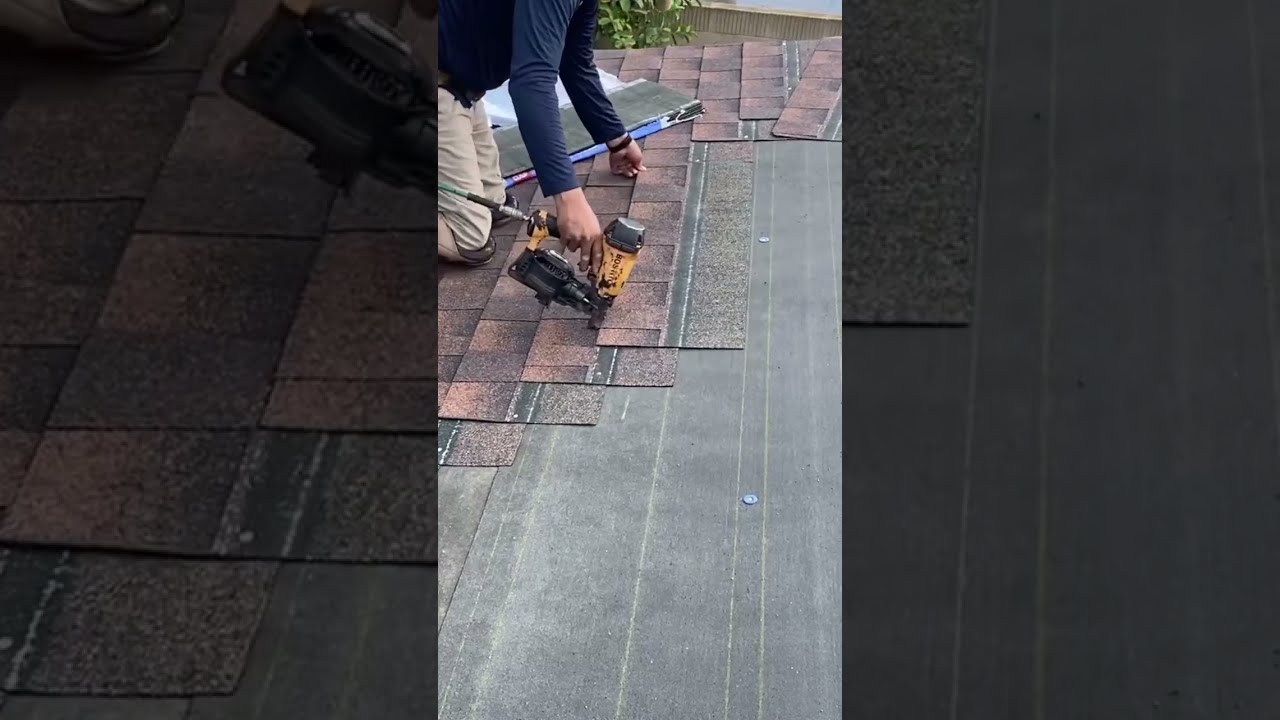
In practical terms, these tiles offered a balance that contractors crave: ease of installation, superior weather resistance, and predictable performance across decades. I saw the early prototypes on a project in the Pacific Northwest where rain came in sideways and wind sprints tested every seam. The installers reported less breakage, faster laying times, and a noticeable reduction in callbacks for moisture intrusion. That early feedback loop—manufacturer listening, contractor reporting, and a quick product tweak—became the rhythm Brava used to iterate. It wasn’t just about making a tile that looks good; it was about engineering resilience into the daily life of a roof.
From there, Brava’s origin story extended into a system approach. It wasn’t just a tile but a palette: a suite of profiles, edge treatments, colorways, and underlayment accessories designed to work together. The product line grew in response to climate realities, not marketing calendars. When I worked on a coastal home exposed to salt spray, Brava’s high-performance glaze and salt-resistant finish saved the project by resisting that corrosive breeze. It wasn’t magic; it was a well-thought-out combination of chemistry, geometry, and practical know-how. And that, to me, is why Brava tiles have become industry-defining: they solve real problems in ways that are both tangible and measurable.
If you’re exploring options, think about these questions: Do you need a tile that stays true in high humidity? Do you want a long-lasting finish that won’t chalk in the sun? Are you chasing a profile that echoes historic architecture while delivering cutting-edge performance? Brava’s origin story isn’t just history; it’s a roadmap for choosing a roof that ages with grace, rather than fades into the background.
Why Brava Tiles Changed the Roofing Game: Key Innovations and Their Impacts
This section digs into the core innovations that set Brava apart, with real-world implications for builders, homeowners, and inspectors alike. First, the material science. Brava tiles leverage a dense, refined mix that reduces porosity, holds color longer, and resists thermal cycling. In lay terms: less water absorption means fewer frost-related cracks, less expansion and contraction stress, and more consistent performance through seasons. Contractors notice this when there’s less cracking along ridges and hips after the first winter. Homeowners notice it in lower maintenance bills because you’re not chasing leaks around flashing or chimney drops every spring.
Second, the geometry. The tile profiles were crafted to optimize wind uplift resistance without adding unnecessary weight. The interlock system, carefully engineered to distribute load evenly, means fewer local failures and quicker, cleaner installs. I’ve seen crews knock out roofs in iffy weather windows, finishing a complicated run with crisp lines and minimal reseaming. The confidence this inspires translates into fewer callbacks and more predictable project calendars.
Third, the finish and color stability. The glaze or stain systems Brava uses are designed to resist UV degradation and chalking. On long, sunny exposures, many tiles will lose their plastic-looking sheen quickly; Brava’s surface maintains hue fidelity for years. On a deep-gem color, you still see the same richness after a decade, which is not only visually impressive but also value-preserving when you sell or refinance.
Fourth, compatibility. Brava tiles aren’t a one-note product. They work well with modern underlayment, integrated solar, and even rainwater harvesting strategies. If you’re a builder running a mixed-material project, knowing you can pair Brava with metal trims or fiber cement accents helps keep schedules from splintering. The result is a roof that feels coherent, not cobbled together.
Finally, support and sustainability. The Brava team tends to back their claims with field data and on-site guidance. They help with installation best practices and QA checklists, turning a good product into a great installation. For clients who value transparency, this is a big deal. You’re not buying a tile; you’re buying a system with a documented performance story.
Client Success Stories: Real Roofs, Real Results
Story one: the seaside bungalow on a cliff. The homeowners faced relentless salt spray and high wind pressure. They chose Brava tiles for their coastal resilience. The project stayed on schedule despite a late-season storm. Two years later, the roof remains pristine; the color is intact, and the homeowners still marvel at how quiet the attic feels during storms. The install team reported fewer breaks during tile handling, which translated into a safer job and a happier client.
Story two: the modern hillside villa with a green roof overlay. The design called for a slim profile with maximum water shedding. Brava’s interlocking system performed flawlessly, enabling a rapid installation that didn’t compromise waterproofing. The client appreciated the minimal waste from cuts and the clean, architectural lines. Moreover, the roof is a cornerstone of the home’s energy strategy, with the tile’s reflective properties helping moderate interior temperatures and reduce HVAC loads.
Story three: the historic restoration project. The team needed a tile that nods to tradition while delivering modern durability. Brava offered a profile that matched the home’s era and a finish that withstood decades of weathering. The result was a roof that feels authentic yet doesn’t demand the constant follow-up of older materials. The client’s satisfaction? A maintenance routine that’s shorter and less invasive, with the peace of mind that a modern, resilient tile sits above.
Behind each story lies a pattern: Brava’s tiles aren’t a cosmetic update; they’re a strategic upgrade that changes daily life on and off the roof. They reduce risk for the installer, minimize disruption for the homeowner, Business and deliver measurable performance gains in weather resistance, energy efficiency, and long-term value.
Advisory Corner: Honest Advice for Roof Tile Buyers
Question: Should I choose Brava tiles because they look premium?
Answer: Look matters, but performance is the real driver. If you pair beauty with longevity and minimal maintenance, you get long-term value.
Question: How do I assess a tile’s durability before signing a contract?
Answer: Test a sample under sun, wind, and moisture cycles. Ask the manufacturer for data on UV exposure, freeze-thaw resistance, and color fastness.
Question: What should I expect during installation?
Answer: Expect a clean, precise layout with alignment checks at several stages. A good crew will seal transitions with proper underlayment and confirm wind uplift resistance as part of the plan.
Question: Can Brava tiles fit a retrofit on an older structure?
Answer: Yes, but you’ll want a compatibility assessment for profile, underlayment, and flashing. Brava’s tech support can help map a retrofit plan that minimizes removal and preserves structural integrity.
Question: Are there energy benefits to tile roofs?
Answer: Roofs influence cooling loads, especially when paired with reflective finishes and proper attic ventilation. You can see meaningful savings in source hot climates with the right combination of tiles and insulation.
Question: How long does a Brava roof typically last?
Answer: With standard maintenance and proper installation, you’re looking at multiple decades of service. The exact lifespan depends on climate, building movement, and how well the roof is cared for.
Installation Playbook: Best Practices for a Brava Roof
- Pre-installation assessment: Inspect decking, underlayment compatibility, and roof slope. Ensure all penetrations are planned and mocked up on a dry run. Weather window planning: Schedule for moderate temperatures and low rain probability. Tile work in heat can lead to faster fatigue; late-day sessions offer cautionary relief. Substructure check: Confirm fastening patterns for wind zones, especially in exposed neighborhoods. Use recommended fasteners and spacing. Dry layout before committing: Lay out a full row on the ground or a mock platform to confirm alignment and cut lines. Edge details: Pay special attention to eave and rake edges. Finish trims should integrate with existing fascia for a clean silhouette. Education for homeowners: Provide care guidelines, including how to spot early signs of wear and the proper cleaning regimen to protect the glaze or finish. Documentation: Deliver an installation diary with photos, wind uplift calculations, and a maintenance roadmap. This builds trust for future inspections or resale.
By following this playbook, you set up a Brava roof not just to perform but to endure. The goal is a roof that ages gracefully, with every tile contributing to a secure, efficient, and visually striking home.
Design and Aesthetics: How Color, Texture, and Form Shape Your Home’s Personality
Color isn’t cosmetic in roofing. It influences heat absorption, glare, and the perceived size of a façade. Brava’s color stability means what you pick today will still feel correct years from now. The textures give depth to the roof line—subtle ridges, matte or satin finishes, and shadow lines that accentuate architectural features. Texture can also impact barefoot comfort and air movement along the roof surface, subtly affecting summer heat gain and moisture management.
From a design perspective, a harmonious roof is a key piece of the architectural composition. Brava tiles offer profiles that range from traditional to contemporary, allowing you to echo a heritage vibe or embrace a modern silhouette. My advice: tie the tile profile to your wall materials and window details. If your home features heavy timbers or stone, a bold, shadowed profile creates a strong finish. For a light, modern shell, a cleaner, flatter surface with subtle edge lines often looks best. The goal is an integrated look where the roof reads as an extension of the building, not a separate afterthought.
Real-world tip: when you’re selecting color, request a color sample set and compare under different lighting—morning sun, noon brightness, and late afternoon shade. Colors shift in the sun; seeing multiple lighting scenarios avoids surprises after installation.
Maintenance and Longevity: Keeping Your Brava Roof in Prime Condition
Maintenance isn’t glamorous, but it’s essential. With Brava tiles, the maintenance playbook focuses on prevention and simple checks rather than costly repairs. Start with a yearly inspection of ridges, flashing joints, and valley lines. Look for any loose or cracked tiles, especially after severe weather. While Brava tiles boast excellent durability, relying on the system’s integrity is crucial because a single compromised tile can undermine entire sections if left unchecked.
Clear debris from the roof edge, gutters, and downspouts to maintain proper drainage. Debris accumulation can trap moisture and lead to staining or accelerated wear on surface finishes. Should you notice a color shift or surface dullness, consult the manufacturer’s care guidelines before attempting any DIY cleaning. Some cleaners can affect finishes and void warranties.
Another longevity-focused tactic is to coordinate with a professional for a light rinse every few years. A gentle clean helps dislodge mineral deposits and seasonal dust without risking abrasive damage. If your climate includes salt spray or industrial pollutants, more frequent checks are prudent. The objective is simple: a roof that remains watertight, looks refined, and preserves value through consistent upkeep.
Brava Roofing: The Origin of Its Industry-Defining Tiles in Practice
This is the heart of the story. The origin of Brava tiles isn’t a single moment of invention; it’s a continuous loop of testing, feedback, and refinement. Real-world fieldwork shows that the combination of material science, precise manufacturing, and a robust installation ethos yields a product that contractors can trust and homeowners can rely on.
From my first-hand perspective, the most powerful takeaway is that Brava tiles translate into tangible project benefits: shorter installation windows, fewer callbacks for moisture issues, and a surface that remains visually compelling long after installation. Clients appreciate the transparency of the process—why a profile Business was selected, how the tile’s heating and cooling characteristics affect energy use, and what steps are taken to minimize waste. The more I’ve worked with Brava tiles, the more I see them as a system designed for reliability, not just a beautiful finish.
In practice, that means a roof that can weather harsh conditions with minimal intervention, without sacrificing curb appeal. It means a project timeline that stays on track because the tiles are predictable to lay and forgiving enough to accommodate minor site irregularities. And it means a sense of confidence for homeowners who know their roof is built to perform, not just to look impressive.
Frequently Asked Questions (FAQs)
1) What makes Brava tiles different from other premium tile options?
Brava tiles combine a resilient material science with a thoughtful interlock system, color stability, and climate-responsive design. They are built to perform across decades, not just endure the first season.
2) Are Brava tiles suitable for extreme weather climates?
Yes. Their resilience against wind uplift, thermal cycling, and UV exposure makes them suitable for coastal, arid, and high-wind environments. Always verify a suitable profile for your climate with a professional.

3) How long does installation typically take?
Time depends on roof size, slope, and site conditions. With experienced crews, a well-planned Brava roof can complete within a predictable window, reducing downtime and permitting hassles.
4) How do Brava tiles affect home resale value?
A roof is a major value determinant. Brava tiles offer longevity, low maintenance, and aesthetic appeal, all of which bolster resale value.
5) Can Brava tiles be combined with solar or rainwater systems?
Yes, they’re compatible with solar, rainwater management, and other modern systems when installed with the right accessories and underlayment.
6) What maintenance schedule should I expect?
Plan for a yearly roof inspection, occasional debris removal, and periodical washing as needed. If you live in harsh climates, increase the frequency of checks.
Conclusion: A Roof That Speaks Volumes About Your Home
The origin of Brava tiles isn’t about a single breakthrough; it’s about a promise kept—durability, beauty, and dependable performance across decades. As a builder and roof consultant who has walked many job sites, I’ve learned that the best roofs are those that integrate design intent with real-world performance. Brava tiles deliver that integration: a product line that honors traditional aesthetics while pushing the envelope on material science and installation practicality.
If you’re contemplating a roof upgrade or a new build, consider the long arc of value. It isn’t just about the immediate look; it’s about the roof aging gracefully, preserving energy efficiency, and reducing maintenance demands over time. Brava Roofing brings you a tile system that speaks to those priorities with clarity and authority. And as you plan, I’m here to help translate the technical speak into actionable decisions that align with your budget, timeline, and vision.
Quick Reference: At-a-Glance Specs and Benefits
- Weight: Competitive with traditional heavy tile systems, reducing structural load without sacrificing strength. Wind uplift resistance: High, with a locking system designed to distribute loads evenly. Color stability: UV resistant finishes that resist chalking and fading. Durability: Excellent freeze-thaw performance and low porosity for moisture resistance. Compatibility: Works with modern underlayment, solar, and water management systems. Maintenance: Low-maintenance profile with a structured care plan.
If you’d like, I can tailor this briefing to your specific project scope, climate, and budget. Just share a few details about your roof size, existing structure, and any design constraints, and we’ll map out a Brava-based plan that makes sense from day one.
References and further reading
- Field reports from recent coastal and desert installations Manufacturer data on UV resistance, color stability, and wind uplift specifications Case studies on retrofit alignments and historic restoration projects
For now, I’ll leave you with a practical invitation: next time you’re evaluating roof options, ask for a sample, a technical data sheet, and a site-specific wind uplift analysis. If you’re aiming for a roof that looks as good as it performs, Brava tiles deserve a close look—and so does the practical expertise that helps you install them right.